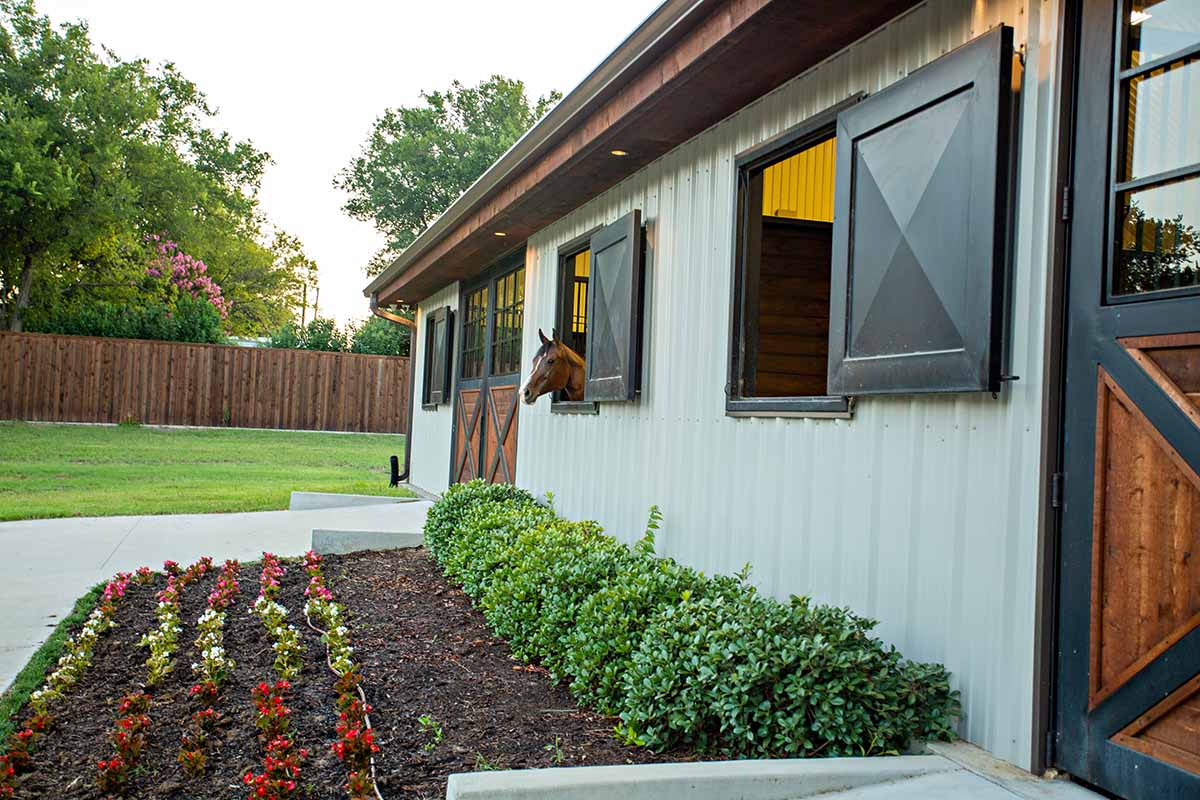
If you’re planning to house your horse at a boarding facility, you have a couple of options: A full-care, partial-care, or self-care setup. For some owners, self-care offers the perfect balance of cost-savings and hands-on horse ownership. The pros? Having the freedom to select your own feed, hay, and bedding. Getting to spend lots of time bonding with your horse. Being involved in every aspect of his care. The cons? Driving to the barn multiple times per day to feed and do horse chores. Less non-horsey free time. Self-care boarding takes a lot of time and effort, but it can be just what some horse owners need.
Before You Commence
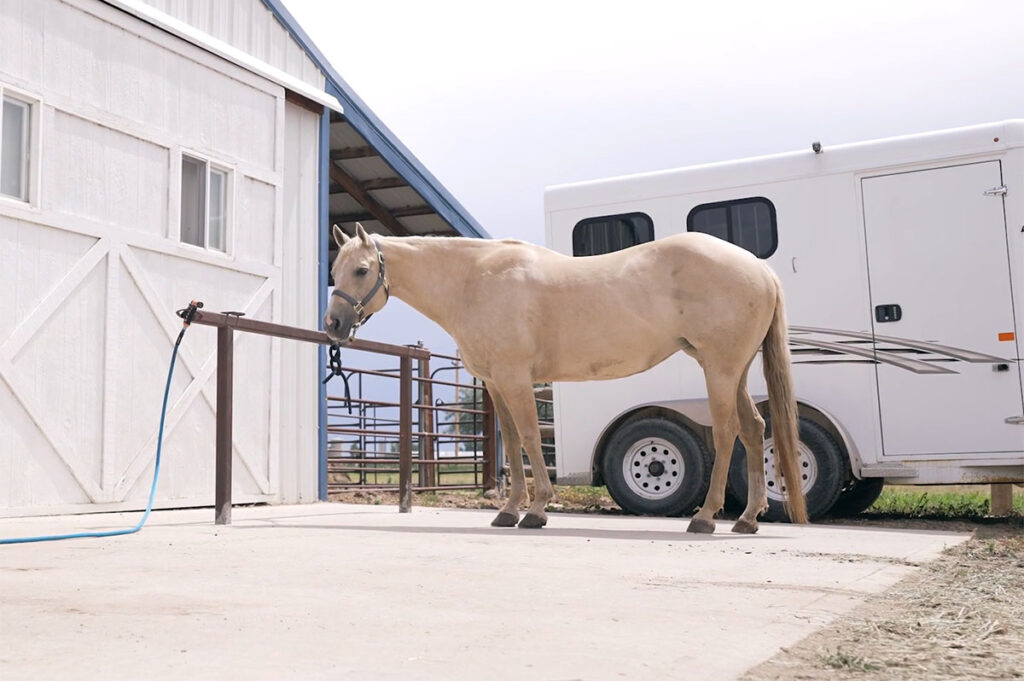
Self-care board is what it sounds like: housing your horse at someone else’s facility but feeding and managing him yourself. While each barn will have its own policies, self-care boarding typically includes a stall, turnout, and use of farm amenities such as a riding arena and grooming and wash stalls.
Because the facility owners aren’t performing chores or providing feed, self-care boarding prices are typically lower than full-care options. But, ultimately, is it the least expensive option? Once you factor in time, supplies, and more, it might not be. So, it’s important to know what self-care boarding will involve and what resources it will require.
Know the Basics
Horse care, health, and nutrition knowledge becomes especially important if you’re going to be providing that care yourself. You should be able to assess and monitor your horse’s body condition, understand equine anatomy, and have basic first-aid skills. You should also know how to take your horse’s vital signs and what his normal heart rate, respiratory, and temperature ranges are.
Know Your Horse
As a self-care boarder, you’re responsible for monitoring your horse and detecting abnormalities quickly. In addition to vital signs, know your horse’s normal manure production; daily water intake; eating habits; activity level in the paddock; and stall behavior.
Any changes in those normal parameters are early warning signs to monitor your horse more closely, make any interventions necessary, or call your veterinarian.
Establish Your Equine Health Care Team
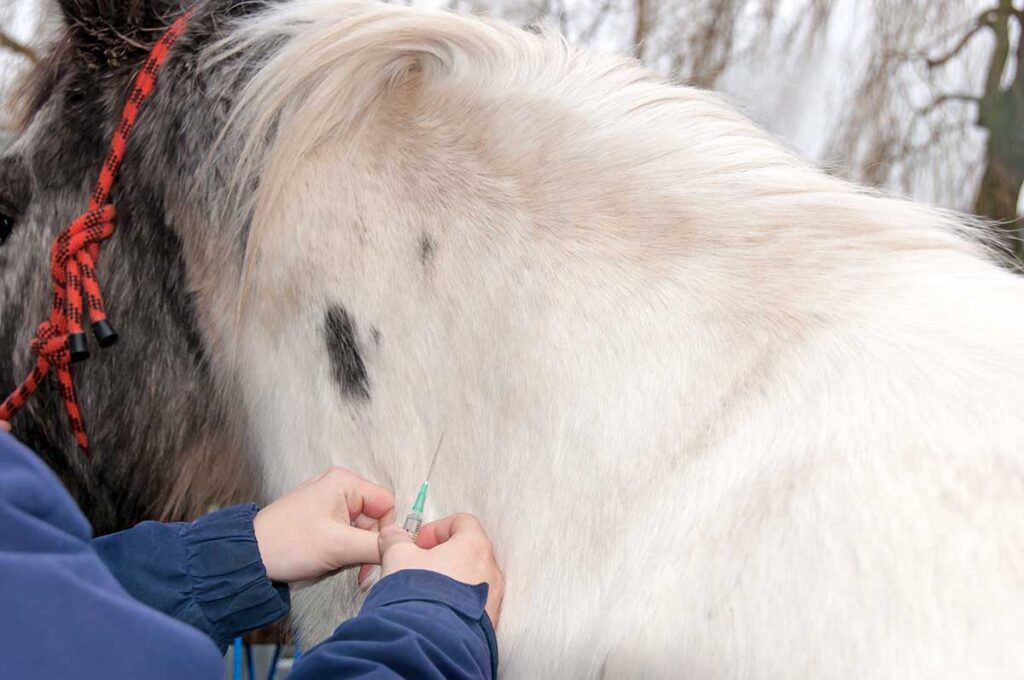
Most self-care facilities don’t have a farm veterinarian and/or farrier. Therefore, it’s up to you to identify your horse’s care providers. If you don’t already have a preferred vet or farrier, consider getting references from other boarders and coordinating things like vaccination visits, fecal parasite egg count monitoring, etc. Doing so can save time and money. You also need to gather emergency contacts and establish an emergency plan—don’t wait until a serious horse health issue arises to know how you’ll proceed. Post your contact information, an emergency contact, and your preferred vet and farrier on the horse’s stall.
Finally, be sure you have rapid access to a truck and trailer for emergency transport, whether it’s your own rig, the farm owner’s, or another boarder’s.
Related Reading: How and Why to Create a Stall Card for Your Horse
Know Your Limits
Self-care boarders are typically out at the barn twice a day, feeding, watering, stall-cleaning, turning out, and performing routine chores. This can be a perfect setup for hands-on horse owners. But the minutes add up quickly, especially for people with busy schedules. Even driving to and from the barn will take time out of the day.
This is where developing relationships with other horse owners at the facility can be invaluable. If you have a designated barn buddy (or three!), you can share day-to-day chores when one of you can’t get out to feed, muck stalls, or bring in or turn out horses.
You’ll also be spending time on feed, hay, and bedding runs; daily horse care tasks such as grooming and/or inspecting for injury; and riding, driving, or otherwise having fun with your horse. Be realistic, and ensure you have time in your schedule to take on a self-care commitment.
Related Reading: Horse Time Commitments: Balancing Life With Ownership
Don’t Forget Supplies

You might not own the barn, but you’ll need pretty much everything that goes inside it when you’re a self-care boarder.
Stable Necessities
Some barns with self-care options offer an assortment of community supplies, such as wheelbarrows, muck tubs, pitchforks, shovels, and brooms. Other farms, however, require owners to bring their own stall care supplies, so check to be sure you’re prepared before moving in.
Other barn and stall essentials you might need to acquire include:
- Feed and water buckets (regular and heated or insulated for winter) for stalls.
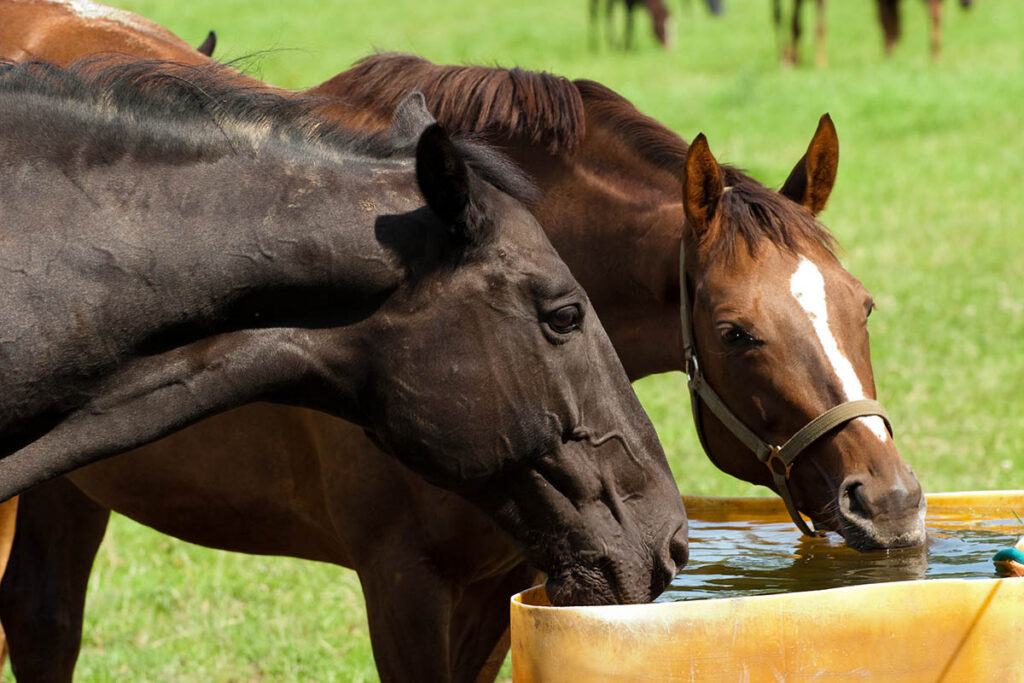
- Water tanks for turnouts (some barns provide these or automatic waterers, so check with the facility owner).
- Haynets or feeder.
- Snaps or other fasteners.
- If needed, a stall fan designed for outdoor or agricultural use.
If your horse will have a stall, plan for buying and storing bedding, as well.
Horse Care Collection
Some full-care facilities provide everything from grooming and bathing supplies to fly spray and supplements. This won’t be the case when you’re self-care boarding. You’ll likely need to organize and store:
- A grooming kit.
- Bathing items.
- Hoof supplies.
- Insect control products.
- Extra halters and lead ropes.
- Blankets, sheets, coolers, and other equine attire. If the barn has space limitations, be prepared to store these off-site when not in season.
- Tack and riding equipment.
Find out whether you’ll have access to a tack room or locker and/or if you’ll need to bring your own saddle and bridle rack, tack hooks, trunk, and other storage.
First-Aid Kit
Horses are masters at injuring themselves, and you’ll need to be well-prepared to deal with issues that arise. Keep the following on hand for emergencies:
- Limb and/or hoof poultice pads.
- Sterile nonstick dressing.
- Triple antibiotic ointment.
- Sheet cotton or a set of stable wraps.
- Self-adhesive flexible bandages.
- Ophthalmic ointment from your veterinarian for eye wounds.
- Mild, unscented hand soap for cleaning wounds.
- Sterile saline solution for flushing eye and other wounds.
- A digital thermometer.
- A stethoscope to take pulse and respiration rates and listen to gut sounds.
- A hoof pick.
- A good headlamp or flashlight.
- Normal and blunt-tip bandage scissors.
- Duct tape.
- An emergency phone number list.
- Insurance information, if applicable.
Pro tips: Don’t forget to label or apply identifiers (halter plates, colored tape, etc.) to all your belongings. While it’s unlikely another boarder will deliberately swipe your supplies, it’s easy to mistake one curry comb for the next or grab what’s handy and forget to put it back.
Speaking of which, only use your equipment unless you’ve made prior arrangements with another boarder. It’s not only a common courtesy to avoid using supplies that aren’t yours but also smart human and equine biosecurity to use certain equipment and tools only for certain people and horses.
Communication Is Key
Keeping lines of communication open between you, management, and other horse owners is important. As with any boarding situation, questions and conflicts are bound to arise.
Be sure you’re on the same page with your barn owner regarding expectations (What are the barn’s hours? Will new herdmates be added to your horse’s turnout without your knowledge?). Review your boarding contract, which should lay out expectations, and ask questions.
And don’t be a boarder who only surfaces to complain. Stay in contact regularly.
Take-Home Message
Self-care boarding can be time-consuming, difficult, and daunting. But it can also be the perfect arrangement for certain owners. It just takes some planning and preparation. Be realistic regarding the time commitment involved in self-care and your ability to address issues independently.
Related Reading:
- Choosing a Boarding Barn for Your Horse: What to Look For
- What To Do With Your Horse When You Leave Town
Adapted from TheHorse.com.
Are you enjoying this content? Sign up for My New Horse’s FREE newsletter to get the latest horse owner info and fun facts delivered straight to your inbox!