Horse Behavior Hub

Welcome to our Horse Behavior Hub! Here we’ll share expert advice on everything from how horses communicate to troubleshooting common behavioral issues. Understanding why your horse behaves the way he does is essential for building a lasting bond, promoting good equine welfare, and ensuring safe horse-human interactions.

Have an equine behavior topic you want to learn more about? Let us know! Email us today at [email protected].

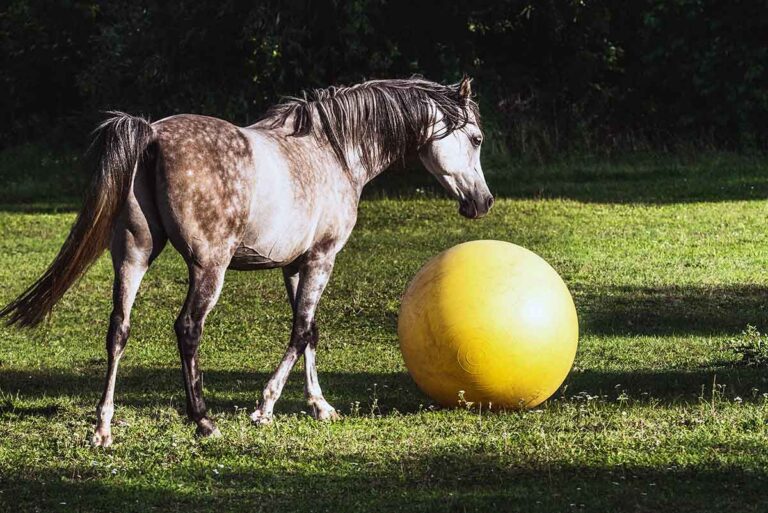
Environmental enrichment for horses. A gray Arabian horse plays with a yellow ball in the pasture.
Environmental Enrichment for Horses: Why It Matters and How to Provide It
Environmental enrichment can improve welfare, encourage natural behaviors, and help prevent boredom.
Read More
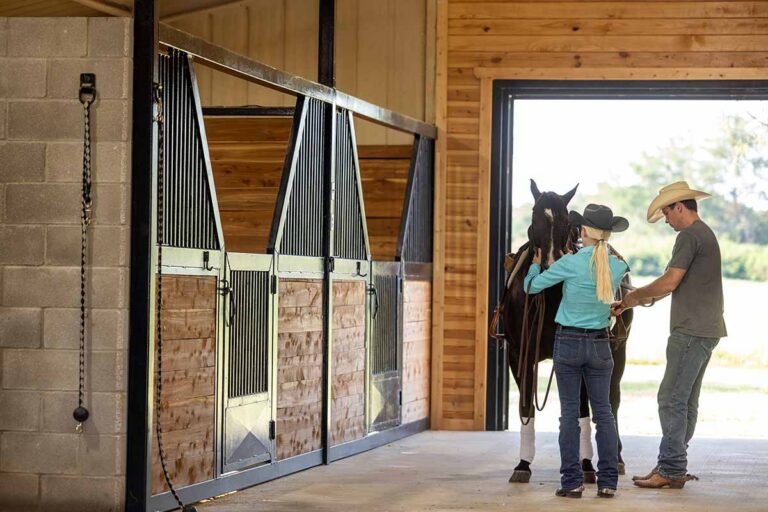
A man in a cowboy hat helps a cowgirl saddle her western horse in a barn aisle
Why Is My Horse Girthy? Common Causes and What to Do
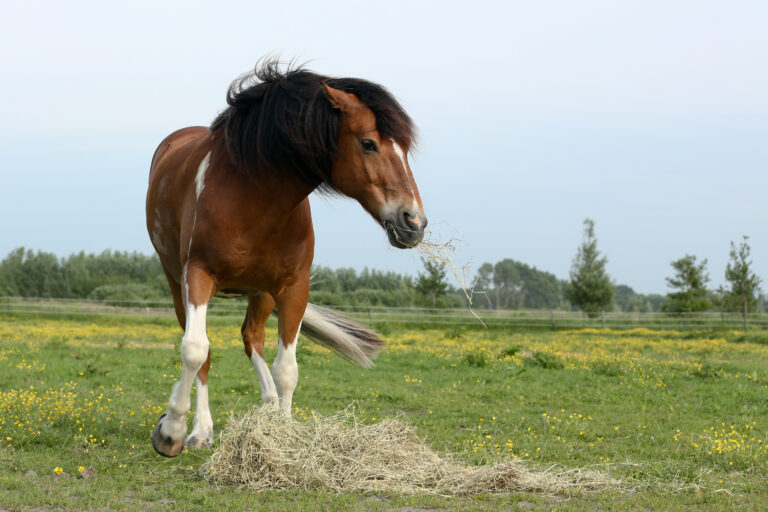
A food aggressive paint horse guards his pile of hay in the pasture
How To Deal With Food Aggression in Horses
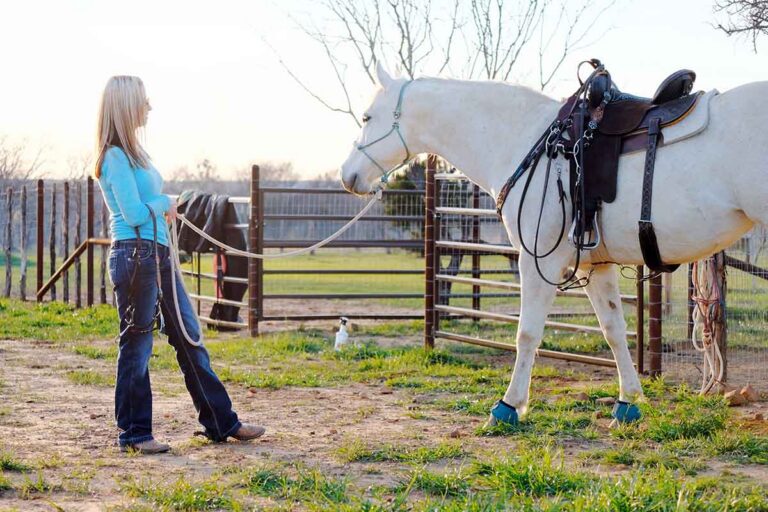
a woman in a blue shirt leads a gray horse in western tack
4 Beginner Horse Handling Mistakes (And How to Avoid Them)
a chestnut horse paws and plays in a puddle in a spring field
Poll: How Does Your Horse React to Puddles?
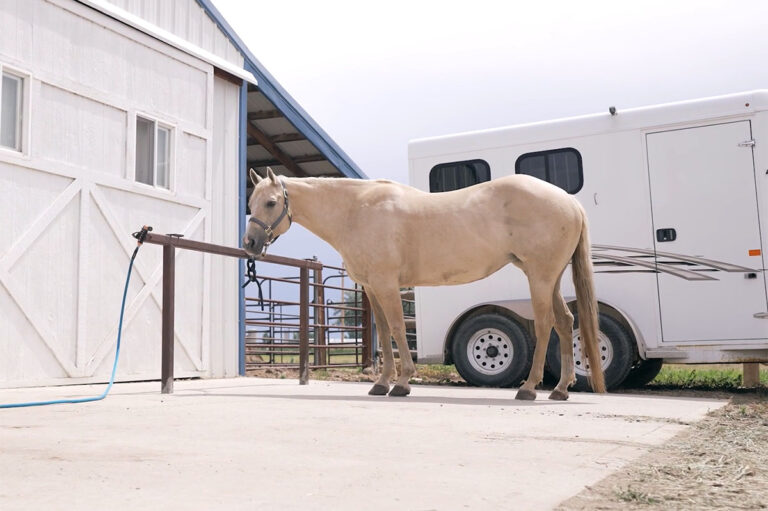
A palomino mare is tied to a hitching post outside the barn on a sunny day
How to Tie a Horse Safely: Do's and Don'ts
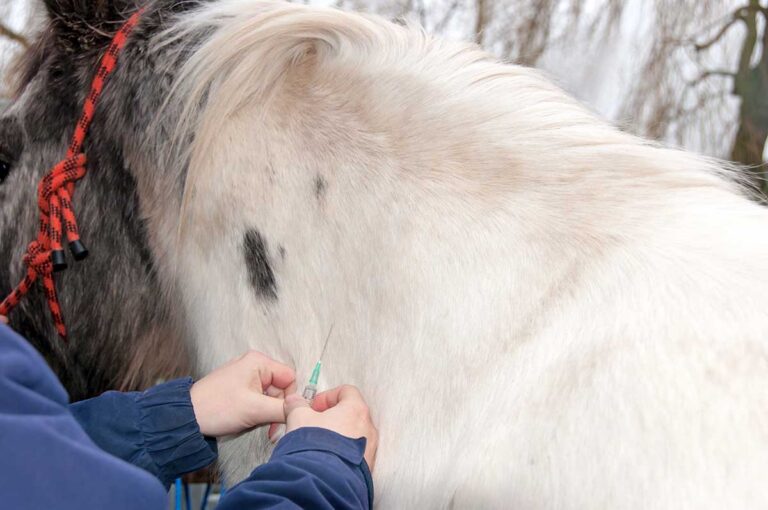
needles, injections, and vaccinations can trigger fear responses in horses
Understanding Fear Response in Horses and How it Develops
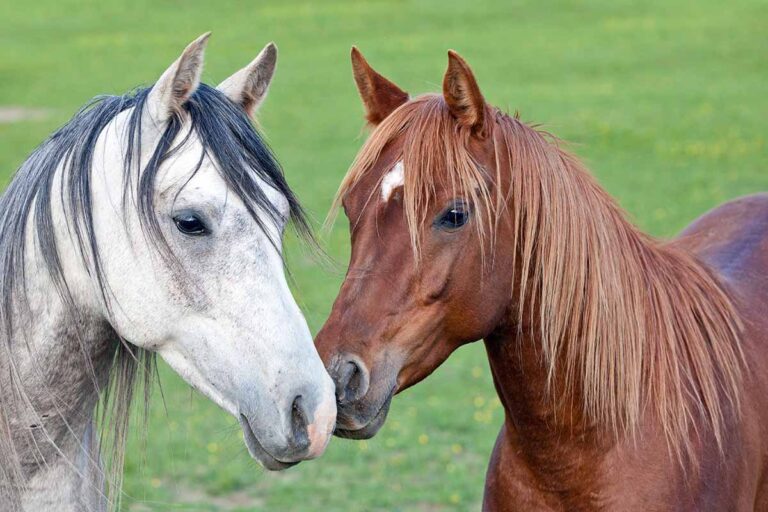
companionship is key to a horse's mental well-being. Two gray and chestnut Arabian horses touch noses in a field.
How to Meet Your Horse’s Mental Needs
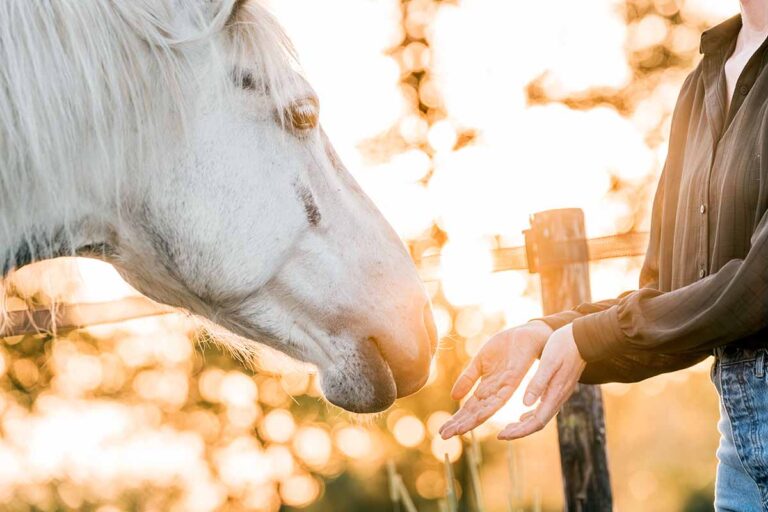
a gray horse sniffs a woman's outstretched hands. how to bond with a new horse using these practical tips that foster trust, confidence, and a lasting partnership
How To Bond With Your New Horse 
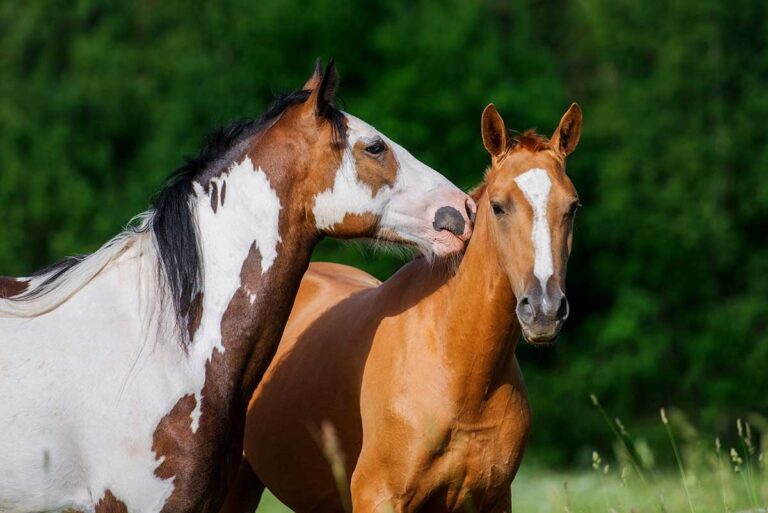
a paint horse and a chestnut horse nuzzle each other in the pasture
Why Is My Horse Suddenly Behaving Differently? 
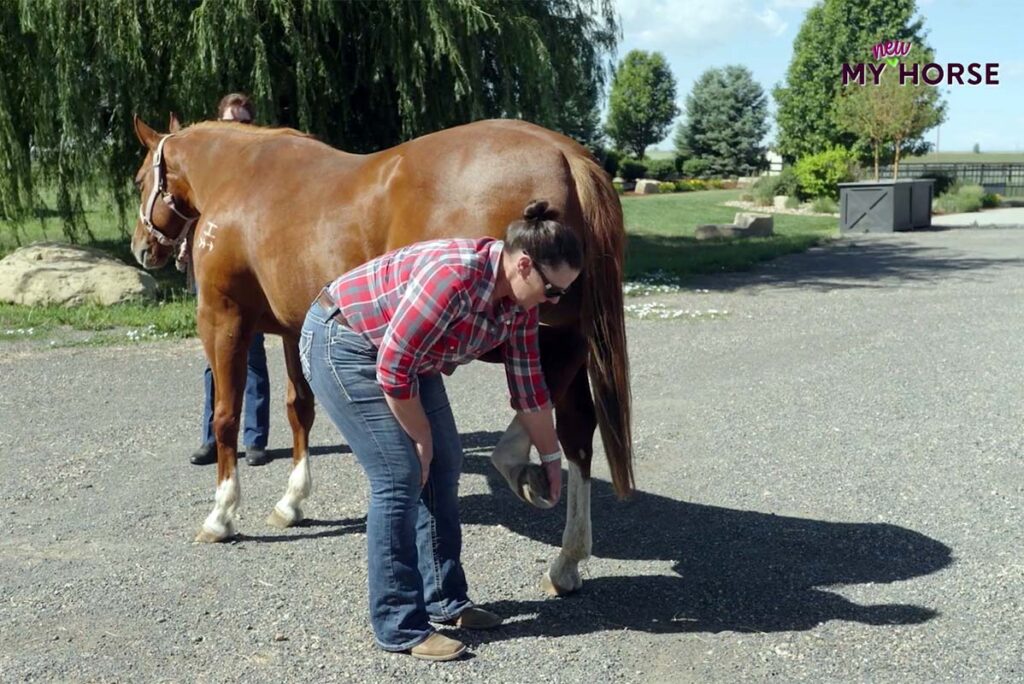
How to Teach a Horse to Stand for the Farrier calmly like this bay thoroughbred
How to Teach a Horse to Stand for the Farrier 
behavioral signs of pain in horses might include nipping when you tighten the girth or tail swishing while grooming or tacking, as seen with this chestnut horse in cross-ties having boots put on his legs by a female equestrian.
Understanding Behavioral Signs of Pain in Horses 
the best age to start a horse under saddle depends on his development, health, and temperament
What’s the Right Age to Start a Young Horse Under Saddle? 

Subscribe to the Horse Behavior Hub Newsletter!

Sign up for our newsletter to get exclusive behavior and handling tips delivered straight to your inbox.

"*" indicates required fields

This field is for validation purposes and should be left unchanged.
Name*
Country*

Additional Offers

Additional Offers
Additional Offers

Related Articles

Subscribe for exclusive content and promotions for you and your new horse

"*" indicates required fields

This field is for validation purposes and should be left unchanged.
Name*
Do you own a horse?
In which discipline do you focus?
Additional Offers
My New Horse
Privacy Overview

This website uses cookies so that we can provide you with the best user experience possible. Cookie information is stored in your browser and performs functions such as recognising you when you return to our website and helping our team to understand which sections of the website you find most interesting and useful.