
It’s true, horses can benefit our mental health. Their patient, gentle nature can help calm our anxiety and stress. They’re great listeners and keep their opinions to themselves about your personal life. Horses are often used in therapy programs and to promote healing.
However, you also have to consider your horse’s mental well-being. And as responsible horse owners, it’s our duty to make sure our equine companions are feeling their best, both physically and mentally. You pay close attention to his nutrition, keep him warm and comfortable, stay on top of farrier and vet visits, but what about his mental well-being? Let’s talk about some ways we can help benefit our horses’ mental health.
A Whole Horse Approach
We work hard to meet our horses’ nutritional and physical needs. We read feed tags, research supplements, and have our veterinarian on speed dial if we notice physical issues. However, don’t forget to meet his mental and emotional needs, as well.
Meeting the needs of the whole horse means understanding that they are complex creatures, just like us. They are affected by stress, and our actions can positively or negatively impact their mental well-being. Our horses give us their all and benefit our mental health in many ways. We can help return the favor.
You’re Stressin’ Me Out, Man
First things first: Let’s address stress. Many things can stress out our horses, including changes in routine, new surroundings, and yes, even us humans. One way to combat stress is to implement consistency in your horse’s life. This means regular exercise, grooming, and overall routine.
This also applies to your training. Knowing when to challenge your horse and push for his best as well as knowing when to back off is incredibly important. Trying to end your training sessions on a good note and knowing which battles to pick will also help manage your horse’s stress levels.
If you haul your horse to outings and events, understand that long rides in the trailer, new environments, and a strict training schedule can all be stressors. Some horses handle these regimes well, and others can develop physical symptoms indicative of stress. Keep an eye on your horse at shows and events, and watch for signs of stress that are out of the ordinary, to avoid issues down the road. Before taking your horse to an all-day event, ensure that he is in shape and prepared, to avoid not just stress but also possible injury.
Herd Animals Need Herd Interaction
Another way to benefit your horse’s mental well-being is by providing him with both human and equine interactions. Horses are social animals, and their mental health can suffer if they are isolated for extended periods.
Try to make time for your horse to interact with other horses, whether it’s through turnout time, a play session, or even just grazing together in the field. And don’t forget about human interaction! Spending quality time with your horse, whether it’s through grooming, hand-grazing, or just hanging out, can help strengthen your bond and increase his overall happiness.
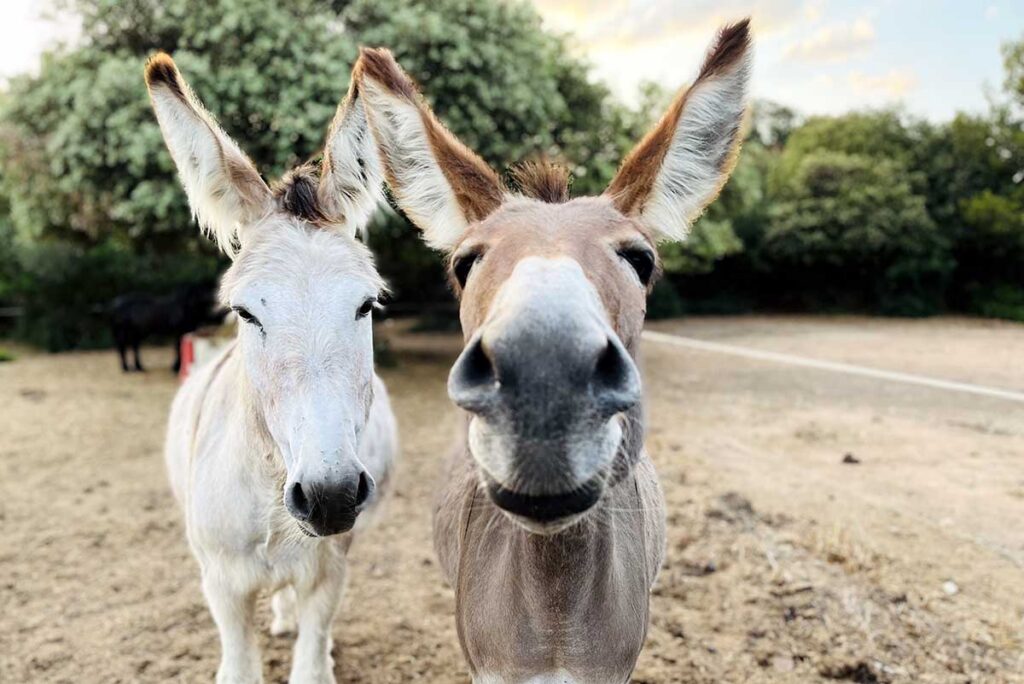
Having a companion for your horse is important for his social and mental well-being. Many people who cannot afford or provide an equine companion opt for other animal companions, such as goats, donkeys, or other livestock. However, make sure you introduce your horse to his new companion properly and monitor them to ensure they get along.
Related Reading: Introducing a New Horse to a Herd: How To Keep the Peace
Beat the Boredom
Now, let’s talk about mental stimulation. Just like us, horses can get bored and restless if they lack engagement. We can provide mental stimulation for our horses in a variety of ways, such as through training, trail rides, or incorporating toys or challenges in their living space. Horses are intelligent animals, and by providing mental stimulation, we can help keep their minds sharp and their spirits high.
If your horse can’t handle turnout, or you don’t have the set-up, a slow feeder is a great choice. It can help mimic his natural grazing patterns by allowing him to eat slowly and continuously throughout the day.
If you do most of your riding in an arena, try to mix up your routine. Endless circles are not stimulating, so you’ll want to add variety to your ride. Try out different horsemanship patterns, testing your skills as well as your horse’s. Work on lead changes, backing, turning, rollbacks, and obstacles when possible.
Take-Home Message
Should your horse spend much of his time in a stall, he will need turnout or exercise (assuming he’s not on stall rest to recover from injury). Allow him to spend time with other horses to help meet his social needs. Loneliness and isolation can lead to physical manifestations of stress, such as cribbing, weaving, or even aggression. Hand-grazing, walking in-hand, and grooming sessions can help break up his day and provide variety.
Related Reading
This article originally ran on Horseandrider.com.
Are you enjoying this content? Sign up for My New Horse’s FREE newsletter to get the latest horse owner info and fun facts delivered straight to your inbox!