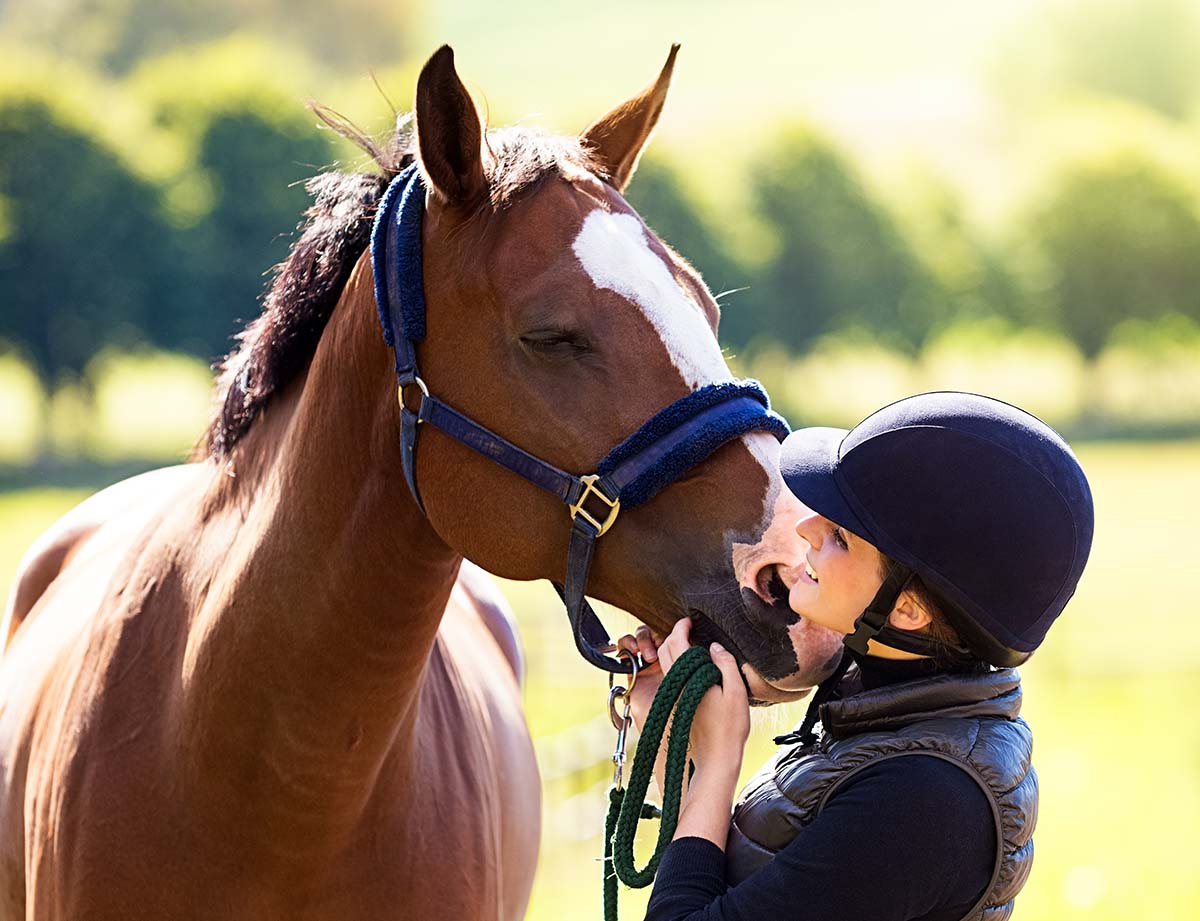
Buying your first horse is exciting! It’s the kind of dream many horse lovers carry around for years. But horse ownership also comes with surprises, and some lessons are only learned through experience. Here are 12 things to know before buying a horse that many horse owners wish someone had told them earlier.
1. The purchase price is the cheapest part.
Many first-time buyers focus heavily on the upfront cost of the horse. In reality, the horse itself is often the smallest expense over time.
Board, hay, feed, farrier care, veterinary bills, supplements, tack, lessons, emergency care, and maintenance add up quickly. Even a healthy easy keeper can cost far more each month than new owners expect.
Before buying, create a realistic monthly budget that encompasses not just routine care but also potential surprises.
2. Some horses are masters of hiding pain.
In the wild, showing weakness makes an animal vulnerable, so horses evolved to disguise discomfort incredibly well. That means subtle changes matter:
- Reduced appetite or less enthusiasm at feeding time.
- Acting “grumpy.”
- Reluctance under saddle.
- Changes in posture or behavior.
- Suddenly becoming hard to catch.
Many “behavior problems” are actually signs that something hurts. Learning to recognize what’s normal for your horse is one of the most valuable skills you can develop.
Related: Understanding Behavioral Signs of Pain in Horses
3. You’ll spend more time doing chores than riding.
New owners often picture themselves spending long afternoons in the saddle and enjoying lots of peaceful moments bonding with their horse. In reality, horse ownership includes hours of:
- Filling water buckets.
- Scrubbing feed tubs.
- Sweeping aisles.
- Picking stalls.
- Cleaning tack.
- Organizing hay, blankets, and supplies.
- Feeding and turnout.
It’s less glamorous than social media makes it look, but many horse owners eventually grow to love the quiet routine of barn life.
Watch: A Day in the Life of Horse Care
4. Your horse will probably injure himself doing something silly.
Many new owners imagine injuries happening during intense riding sessions or dramatic pasture accidents. More often, horses somehow manage to:
- Cut themselves on perfectly safe fencing and stall surfaces.
- Lose a shoe while grazing in the pasture.
- Pull a muscle while playing.
- Get mysterious scrapes that appear overnight.
- Panic over a plastic bag.
Experienced owners joke that horses are talented at finding creative ways to hurt themselves. And honestly, it’s not entirely untrue.
5. The horse community can be wonderful … and overwhelming.
Horse people are often incredibly generous with their knowledge and support. But new owners also quickly discover that equestrians have strong opinions about almost everything, including:
- Barefoot vs. shod.
- Bit types.
- Feeding choices.
- Training styles.
- Blanketing.
- Supplements.
- Housing and turnout.
Sometimes you might even get conflicting advice from several experienced horse people in the same afternoon. That’s why it’s important to ask questions, stay open-minded, and work with trusted professionals (e.g., trainer, veterinarian, nutritionist, farrier).
6. Horses thrive on routine.
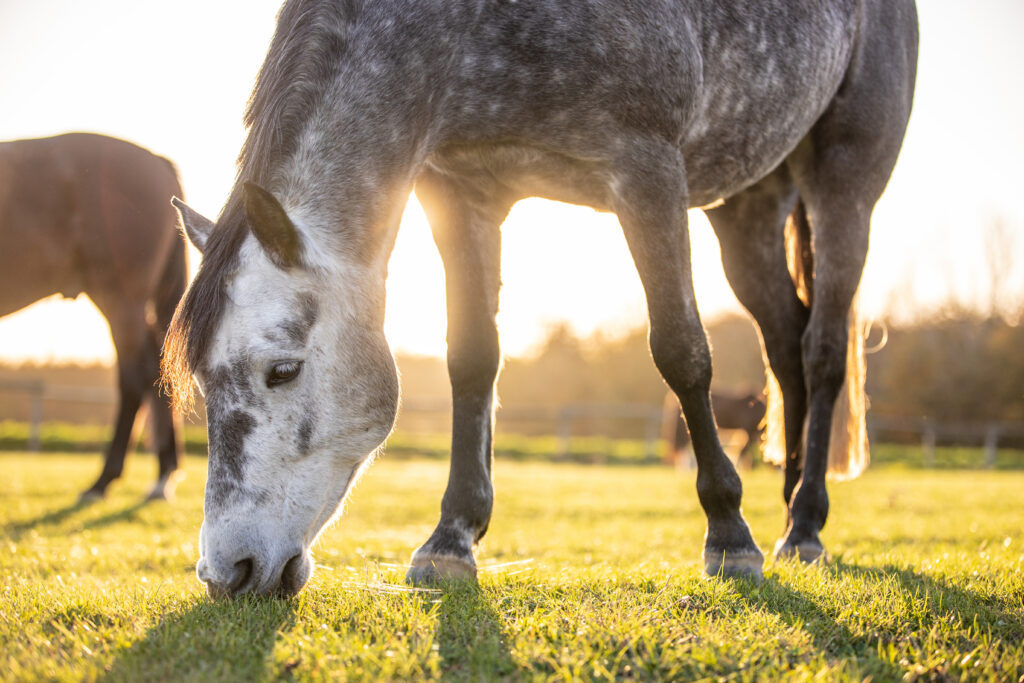
Horses generally like predictability. Feeding schedules, turnout routines, exercise, and handling consistency help many horses feel secure and relaxed. Sudden changes can sometimes lead to stress, anxiety, digestive upset, gastric ulcers, or behavioral changes. That doesn’t mean horses aren’t adaptable. Routine just matters more than many beginners realize.
7. Some days will make you question yourself.
There will be rides where nothing feels right. Days your horse spooks at invisible objects. Moments where you compare yourself to more experienced riders. This is completely normal. Horse ownership includes highs, lows, breakthroughs, setbacks, and a lot of patience. Progress with horses is rarely linear.
8. Ground manners matter just as much as riding.
A horse that stands quietly for grooming, leads respectfully, loads calmly, and behaves for the farrier is often safer and more enjoyable than a talented riding horse with poor manners. Many experienced owners prioritize behavior on the ground even more than flashy riding ability.
Related: Teach Your Horse Good Ground Manners When Leading
9. Preventive care saves money.
Routine veterinary and farrier care might feel expensive, but delaying care often becomes far more costly later. Preventive care includes:
- Vaccinations.
- Dental exams.
- Parasite control plans.
- Hoof care.
- Proper saddle fit.
- Balanced, high-quality feed and forage.
With horses, small problems can become major issues surprisingly quickly.
10. You’ll become weirdly obsessed with manure.
Before horse ownership, this probably sounds absurd. After horse ownership, you might suddenly find yourself evaluating manure consistency with genuine concern because it can reveal important clues about hydration, digestion, stress, and overall health.
11. Horse emergencies rarely happen at convenient times.
Colic at midnight. A pulled shoe before a horse show. A mysterious swollen leg on a holiday weekend. Horse emergencies have terrible timing. Having an emergency fund and knowing who to call before a crisis happens can make stressful situations much easier to manage.
Related: Your Guide to Navigating Unexpected Horse Expenses
12. “Bombproof” horses still have horse moments.
Even the calmest, safest horses are still horses. A sudden noise, wildlife encounter, weather changes, pain, rider tension, or unfamiliar environments can trigger unexpected reactions. Respecting horses as large, sensitive prey animals helps owners stay safer and more realistic.
Take-Home Message
Buying your first horse can be joyful, intimidating, exhausting, rewarding, and life-changing all at once. There will be mistakes. There will be unexpected expenses and frustrating days. But there will also be quiet mornings at the barn, moments of trust you can’t quite explain, and experiences that make all the hard work worthwhile.
The goal isn’t to become a perfect horse owner overnight. It’s to become a thoughtful one—someone willing to learn, adapt, and build a good partnership with their horse over time.
Related Reading:
Are you enjoying this content? Sign up for My New Horse’s FREE newsletter to get the latest horse owner info and fun facts delivered straight to your inbox!