
The short answer up front: There’s no “right” age that fits every horse. Many horses can safely begin light ridden work around 2-4 years old, but the best time depends on the individual horse’s physical and mental maturity, the kind of training and riding you plan to do, and good veterinary/trainer oversight. Research suggests appropriate early exercise can contribute to healthy musculoskeletal development, with the key word here being “appropriate.”
In this article, we’ll review factors to consider when starting a young horse, what science says, how to tell if you’re moving too fast, and when to call in the pros.
What Does the Research Say?
Several studies have shown that controlled exercise in young horses stimulates bone, tendon, and muscle adaptation. In other words, the right early work can strengthen the musculoskeletal system rather than harm it. That’s true across multiple tissues (bone, cartilage, muscle) and species.
Historically, scientists recommended waiting until all growth plates closed. However, that approach might be too simplistic. Growth plates close at different times in different bones. Some distal (lower limb) bones mature within the foal’s first year, while the vertebrae fuse at age 5 or later. That’s why the type and amount of exercise matters more than just the horse’s age.
Individual Horse Factors to Consider
Every horse is unique. Here are some questions to ask and things to consider before you saddle up.
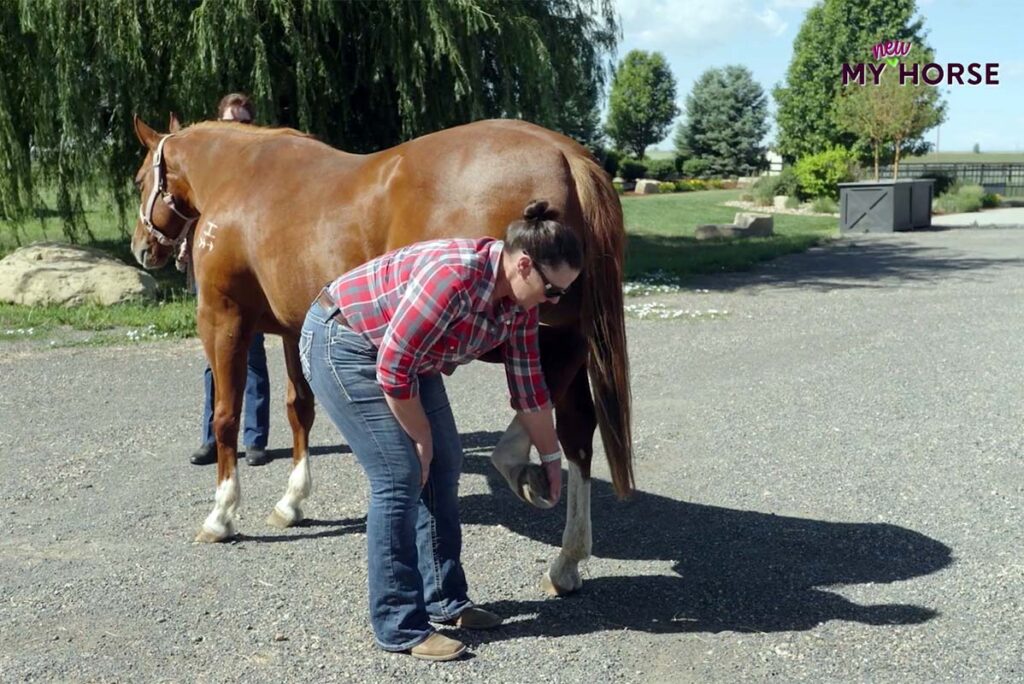
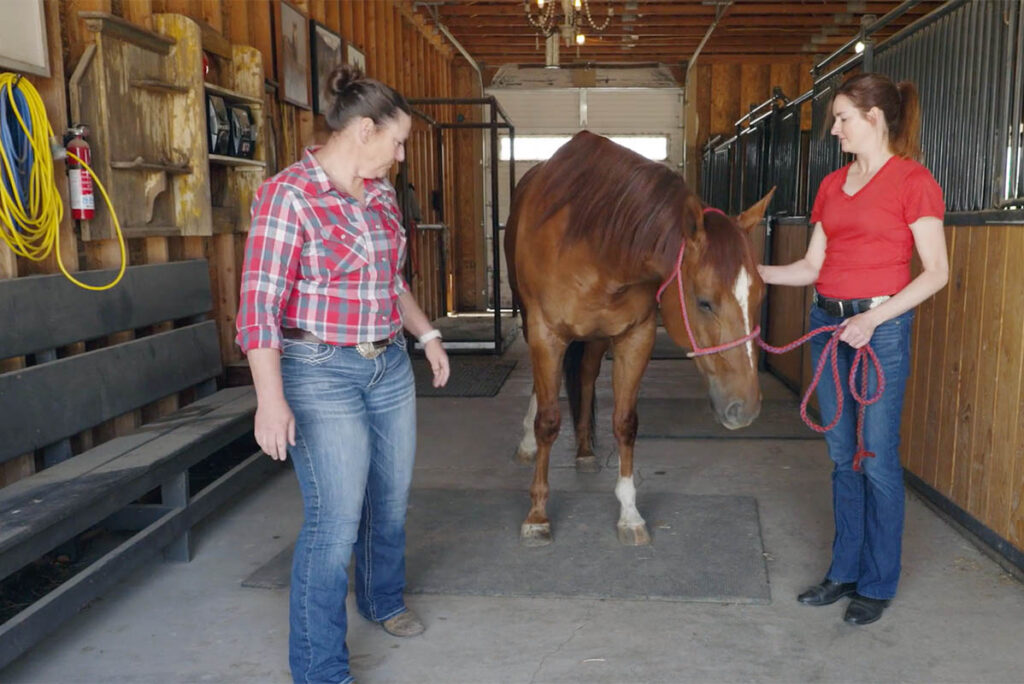
- Physical development. Has your veterinarian done a basic pretraining health check? Does your horse have any conformation faults, previous injuries, or lameness? A veterinary exam can flag problems or give you the green light to begin training.
- Breed and body type. Some breeds, such as Thoroughbreds, tend to mature faster for athletic work than others, such as draft crosses. Ponies and smaller breeds generally mature earlier than large horses.
- Mental maturity and temperament. Is your horse calm and consistent on the ground (e.g., leading, tying, standing for the farrier)? A spooky, anxious youngster might not be ready for the added complexity of a rider. Work on developing consistent ground manners and doing in-hand work before progressing to riding.
- Conformation and hoof health. Limb conformation, joint angles, hoof quality, and overall balance influence how well a horse will tolerate early work. Poor conformation doesn’t automatically rule out starting early, but it might mean you follow a slower, more careful plan.
- History and conditioning. Has the horse been doing groundwork, long-lining, longeing, or a graded fitness program? Horses that have had measured, progressive conditioning adapt better to carrying weight.
- Management factors. Nutrition, farriery, turnout, dental health, and routine veterinary care all influence how quickly you should progress.
The Differences Between Riding Disciplines
Different sports place different demands on the young horse’s body and mind. Certain disciplines also encourage an earlier start to training than others. Racing programs, for instance, commonly start conditioning horses at 2 years old. Studies in Thoroughbreds show structured early conditioning can prepare the musculoskeletal system for the high loads of racing.
Some Western sports, such as cutting and reining, start training early so they can compete in futurities (competitions with significant prize money) for horses as young as 3. In disciplines like dressage and jumping, you often see trainers start horses under saddle around age 3 but wait until horses are older to introduce strength- and balance-based skills like collection or high-impact exercises like jumping.
Overall, if your discipline requires collection, impulsion, heavy loading, or sudden turns and landings, plan to progress more slowly than for light work or trail riding.
Training Timelines

While you should tailor each training plan to the individual horse and his or her development, here’s what a careful, staged program might look like:
- From birth to one year: Instill basic ground manners, such as handling, leading, grooming, and standing for the farrier or vet. Keep sessions short, with lots of positive reinforcement.
- 18-24 months: At this age, you might begin more formal groundwork, including long-lining and ground-driving, and get the horse accustomed to being saddled. These build core strength and teach balance without a rider’s weight.
- 2-3 years: If your horse is mature enough, you can start light, short, carefully supervised ridden sessions that include walking and short trot sets, gradually increasing the duration over weeks.
- 3-5 years: Progressively increase the duration and complexity of ridden work. By age 4 to 5, many horses can handle regular schooling if they’ve developed appropriately. The spine and some joint regions continue maturing into later years, so introduce collection and heavy work slowly.
Related Reading: Groundwork Exercises for You and Your Horse
How to Assess Your Horse’s Progress
Monitor your horse’s behavior and physical health to determine if you’re progressing at the right pace or moving too fast. Positive signs include:
- Calm, predictable behavior during and after work.
- Steady improvement in balance, rhythm, and willingness.
- Short-term muscle soreness that resolves with rest and warming up (not persistent stiffness).
- No recurrent or progressively worsening gait irregularities.
Warning signs you might be moving too fast:
- Lameness that persists beyond a day of rest or recurs when you resume.
- Stiffness, especially in the back and hindquarters, or a reluctance to move forward.
- Sudden behavior changes under saddle, such as bolting, bracing, or resentment.
- Poor recovery (heavy breathing or slow return to normal after light work).
- Palpable heat, swelling, or sensitivity in joints or tendons.
If you see any of these, stop ridden work and get a professional evaluation from a trainer and a veterinarian. Early intervention avoids more serious problems later.
Related Reading: Is Your Horse’s Back Sore?
Before Your First Ride
Before you start a young horse under saddle, run through this checklist to set you both up for long-term success:
- Schedule a veterinary wellness exam.
- Ensure your horse has good ground manners (ties, leads, stands quietly).
- Complete progressive groundwork and long-lining over weeks/months.
- Work with your veterinarian or an equine nutritionist to ensure your horse is in appropriate body condition and receiving correct, balanced nutrition.
- Set a regular hoof care schedule with your farrier, and make sure your horse’s feet are balanced.
- Establish a relationship with a trainer or experienced rider for supervision and guidance.
Once you’ve ticked all the boxes on this list, you can begin short, conservative initial rides (5-15 minutes of walking/trotting, depending on the horse) with gradual increments.
Take-Home Message
Don’t pick an age to start riding your horse based on calendar alone. Base your decision on his body, brain, and training history. Early, controlled work can be beneficial if it’s progressive, sensible, and matched to the horse’s development and the demands of your chosen discipline. Enlist the help of a qualified trainer and veterinarian, and adjust your horse’s workload based on his behavioral and physical signs.
Related Reading:
- How to Find a Horse Trainer
- On the Move: The Importance of Regular Exercise for Horses
- How Often Can or Should I Ride My Horse?
Are you enjoying this content? Sign up for My New Horse’s FREE newsletter to get the latest horse owner info and fun facts delivered straight to your inbox!