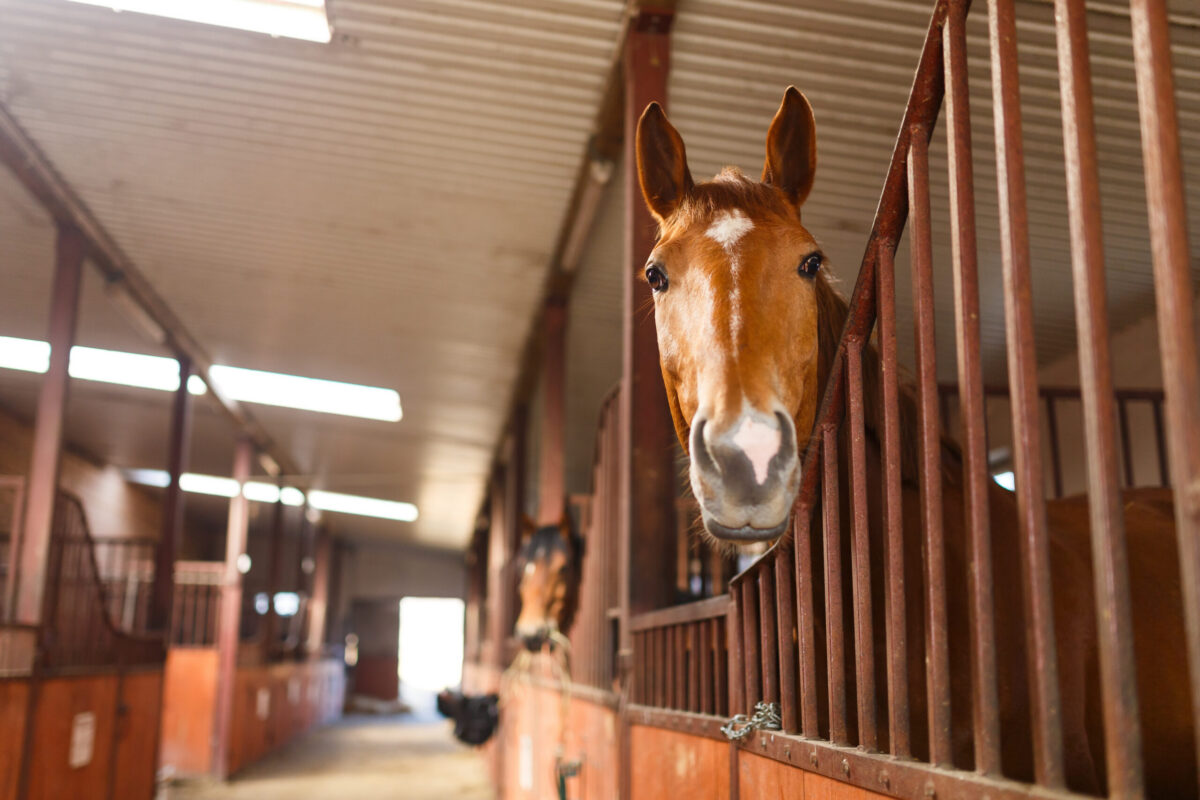
Every boarding barn has one: The horse owner who leaves manure in the wash rack. The rider whose tack somehow takes up half the tack room. The person who ties a horse in the cross-ties and disappears for 20 minutes. The well-meaning boarder who always seems to have an opinion about how everyone else should manage their horse.
The funny thing is most of these habits aren’t intentional. In fact, many horse owners don’t realize they’re creating frustration for the people around them with these boarding barn mistakes.
Boarding barns are shared spaces, and the little things matter. While every facility has its own rules and culture, there are a few common etiquette mistakes that can quickly earn you a reputation as “that boarder.”
Here are 10 boarding barn etiquette mistakes you might not realize you’re making.
1. Not Cleaning Up After Yourself
Every horse owner has been in a hurry at some point. Maybe you’re rushing to work after a morning ride or trying to beat an approaching storm. But consistently leaving manure in the wash rack, hoof pickings in the aisle, empty supplement containers or feed bags lying around the feed room, or grooming messes behind creates extra work for everyone else.
At a boarding facility, common areas belong to everyone. When one person leaves a mess behind, the next person is forced to spend time cleaning up before they can use the space.
Good horsemanship extends beyond caring for your horse. It also means respecting the people who share the facility with you.
2. Leaving Your Horse Unattended
Cross-ties, wash racks, grooming bays, and arenas are shared spaces designed to keep horses and riders moving efficiently through the facility.
Leaving your horse tied while you disappear to the tack room, bathroom, or parking lot can create bottlenecks and safety concerns. The same goes for turning your horse loose in the arena and walking away while other riders are waiting to use the space.
If there are other turnout areas available, like small paddocks or round pens, take the time to put your horse in one of those spaces to keep the riding arenas available for riders.
And if you’re not actively using the space (like a wash rack), free it up for the next person.
3. Taking Over Shared Storage Areas
Feed rooms and tack rooms can get crowded quickly, especially at larger facilities.
Stacking your supplies in front of someone else’s feed bins, blocking access to grain containers, or allowing your equipment to spill into another boarder’s designated area creates unnecessary frustration. Nobody wants to climb over bags, move containers, or reorganize someone else’s belongings just to get to their own feed.
Being organized isn’t just courteous. It helps the entire barn function more smoothly.
Related: Where and How to Store Your Horse Riding Gear
4. Treating the Arena Like It’s Yours Alone
The arena is often the busiest area of any boarding barn, especially during evenings and weekends when everyone is trying to squeeze in a ride outside of work. That’s why arena etiquette matters.
Setting up poles, cones, or obstacles is part of training, but leaving them in place for days at a time can make it difficult for others to use the arena. The same goes for taking up an excessive amount of space when multiple riders are working at once.
Good arena etiquette also means paying attention to traffic patterns, communicating with other riders, and adjusting your ride when necessary. Everyone pays to use the same space, and sharing it respectfully goes a long way toward keeping the peace.
5. Not Paying Attention While Riding or Longeing
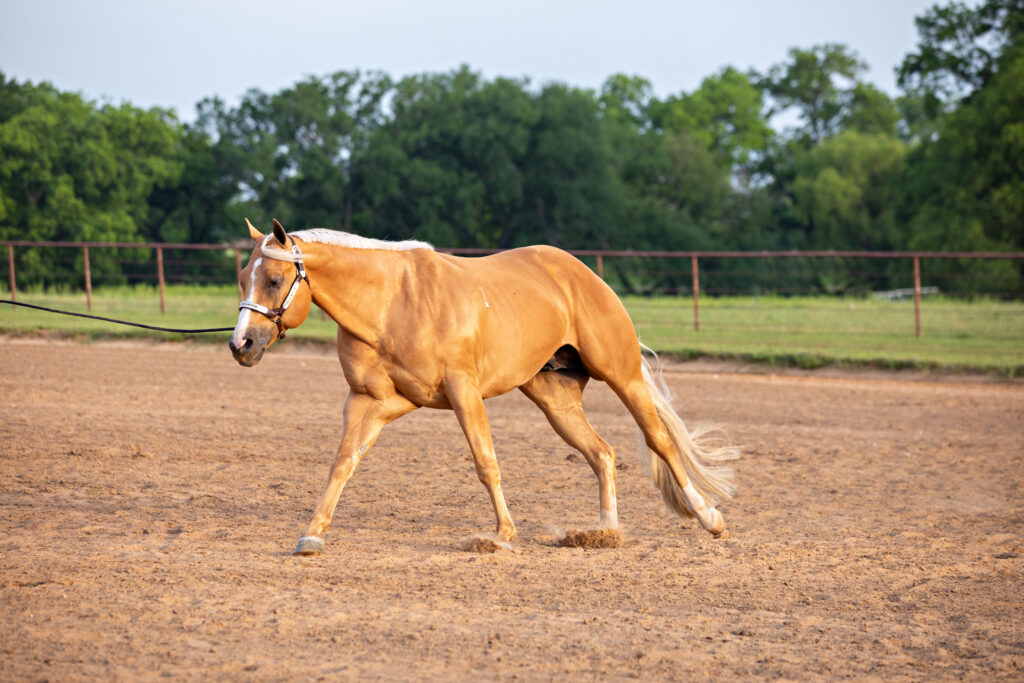
Few things create more frustration—or potential danger—than riders who aren’t aware of what’s happening around them.
That might be the rider scrolling through a phone while mounted, someone longeing without paying attention to arena traffic, or a horse drifting across the arena while its rider is focused on a conversation instead of the ride.
Barns and arenas function best when everyone stays alert and communicates with the people around them. A little awareness can prevent misunderstandings, close calls, and accidents.
6. Borrowing Without Asking
Just because something is sitting in the aisle doesn’t mean it’s community property. Whether it’s fly spray, grooming supplies, tack, mounting blocks, jump standards, or training equipment, always ask before using someone else’s belongings.
Most horse owners are happy to lend a hand when asked. Problems usually arise when permission is assumed or things go missing.
7. Offering Unsolicited Advice
Horse owners are passionate people, and everyone has an opinion.
Most riders have experienced it. You’re tacking up when someone comments on your feed program. You’re cooling out after a ride when another boarder suggests a different training method. Before long, a casual conversation has turned into an unwanted critique.
While advice is often well-intentioned, it can create tension when it’s offered without being requested.
Remember that you may not know the full story. A horse recovering from an injury, following a veterinarian’s recommendation, or working through a specific training program might look different than what you’d choose for your own horse. Most horse owners already have a trainer, veterinarian, farrier, or trusted mentor. Unless someone asks for your opinion, it’s usually best to keep it to yourself.
8. Not Respecting Other People’s Time
Boarding barns are social places. Friendships are formed in tack rooms, conversations happen in aisleways, and many riders enjoy catching up after a long day. But there’s a difference between being friendly and being oblivious.
Holding lengthy conversations in doorways, blocking access to wash racks, monopolizing a trainer’s attention during someone else’s lesson, or stopping a rider who is clearly trying to finish chores and get home can be frustrating for people working on a schedule.
Many horse owners are balancing careers, families, and other commitments around their barn time. Be mindful of that.
Related: Horse Time Commitments: Balancing Life With Ownership
9. Not Helping Protect the Facility
One of the easiest ways to identify a great boarder is how they treat the facility when nobody is watching.
Do they shut off the lights when they’re the last person to leave? Do they turn off the hose after filling water buckets? Do they report a broken fence board, damaged gate latch, or other safety concern when they see it? Small actions add up.
Barn owners invest significant time and money into maintaining safe facilities for horses and riders. The best boarders understand that protecting the facility helps protect their horse’s home as well.
10. Treating Barn Staff Like Personal Employees
Barn staff work hard to keep horses healthy, facilities maintained, and daily operations running smoothly.
Expecting staff to clean up after you, put away your equipment, accommodate every last-minute request, or solve problems you’ve created places unnecessary strain on the people who keep the operation moving.
A little appreciation, patience, and personal responsibility can go a long way. The boarders who are easiest to work with are often the ones who recognize and respect the effort that goes into caring for both the horses and the facility.
The Bottom Line
Every boarding barn has “that boarder.” But if we’re being honest, most horse owners have probably been guilty of at least one of these boarding barn mistakes at some point.
Being a good boarder isn’t about being perfect. It’s about recognizing that a boarding barn is a community. The riders, trainers, barn staff, and horse owners around you are all sharing the same spaces and working toward the same goal: enjoying their horses in a safe, respectful environment.
A little awareness, consideration, and common courtesy can go a long way toward making the barn a better place for everyone.
Related Reading
This article originally ran on Horse&Rider.
Are you enjoying this content? Sign up for My New Horse’s FREE newsletter to get the latest horse owner info and fun facts delivered straight to your inbox!