So, you’ve found a horse that checks all your boxes. He’s the right age, breed, price, and experience level … at least on paper. Before you hand over a check, it’s time for one of the most important steps in the buying process: the trial ride.
A trial gives you the chance to see if you and the horse truly click. Think of it as a first date: You’re both figuring out if this partnership feels right. Here’s what to know before trying a horse.
Setting Up a Trial Ride
Once you’ve expressed serious interest in a horse, the seller or trainer will usually invite you to try him in person. Some sellers allow multiple visits or even short-term “take-home” trials, but most prefer that you try the horse at their facility.
Here’s how to set yourself up for success:
- Be transparent. Before you even schedule a trial, be honest with the seller about your riding ability and goals for the horse. You don’t want to waste anyone’s time if it’s not going to be a good fit from the start.
- Schedule ahead and confirm details. Ask how long you’ll have to ride, what facilities are available (arena, trails, jumps, etc.), and what tack the horse typically goes in. Should you bring your own saddle?
- Dress for the part. Wear your regular riding clothes, gloves, and helmet. You’ll ride more comfortably and make a good impression.
- Bring a knowledgeable friend or trainer. A second set of eyes can help you evaluate the horse’s movement, behavior, and overall suitability for your goals.
- Ask about the horse’s routine. Knowing when it was last ridden, fed, or turned out can explain certain behaviors and help you interpret what you see fairly.
A seller who’s reluctant to let you ride the horse before buying is usually a red flag. They might be trying to hide a soundness, behavioral, or training issue.
Related Reading: The 10 Best Horse Breeds for Beginners
What to Do During the Trial
The goal of a trial isn’t to “test” the horse. Rather, it’s to observe how he responds to your riding style and whether you seem like a good fit. Each seller or trainer will have their own preferences and methods for trial rides. But here are some general steps to follow:
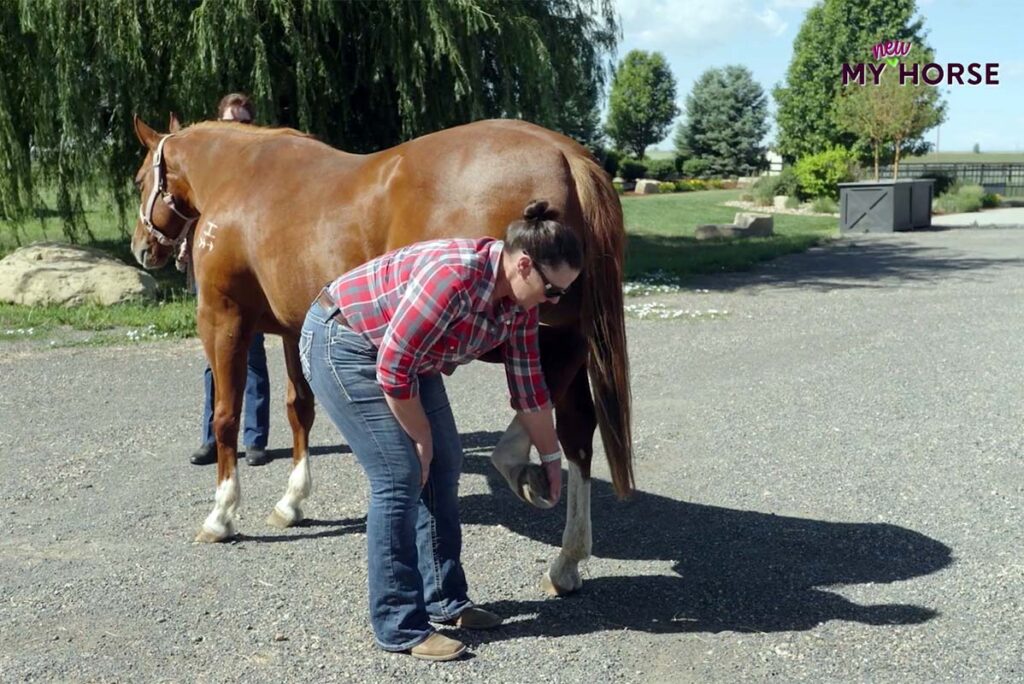
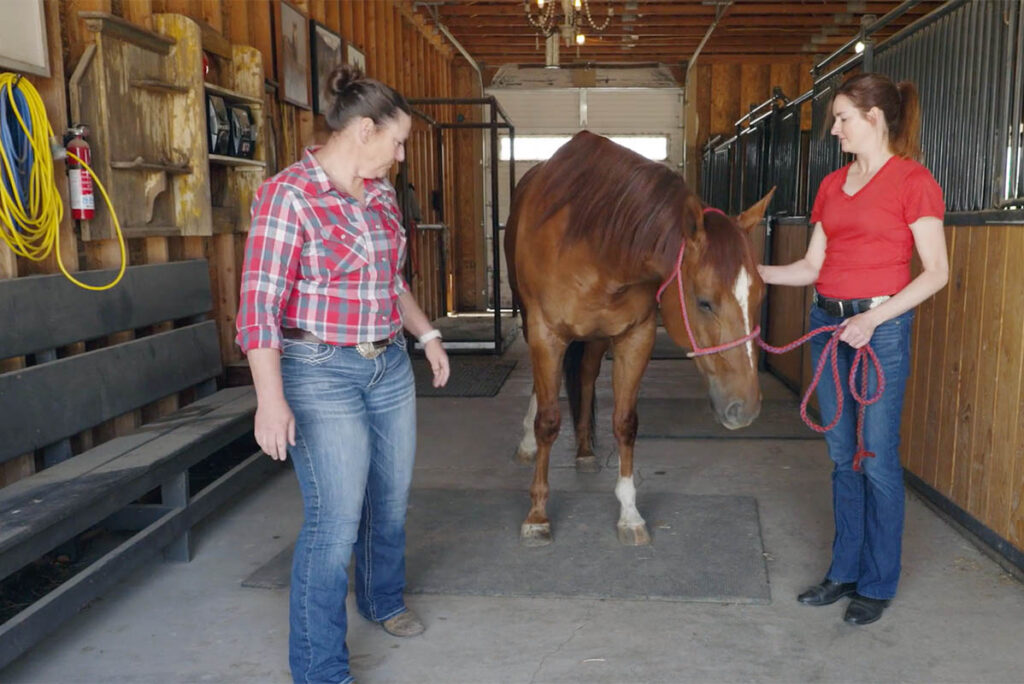
- Groom and tack up if allowed. This allows you to assess the horse’s conformation and condition as well as his ground manners. Does he stand quietly, move away politely, or get fussy about girthing?
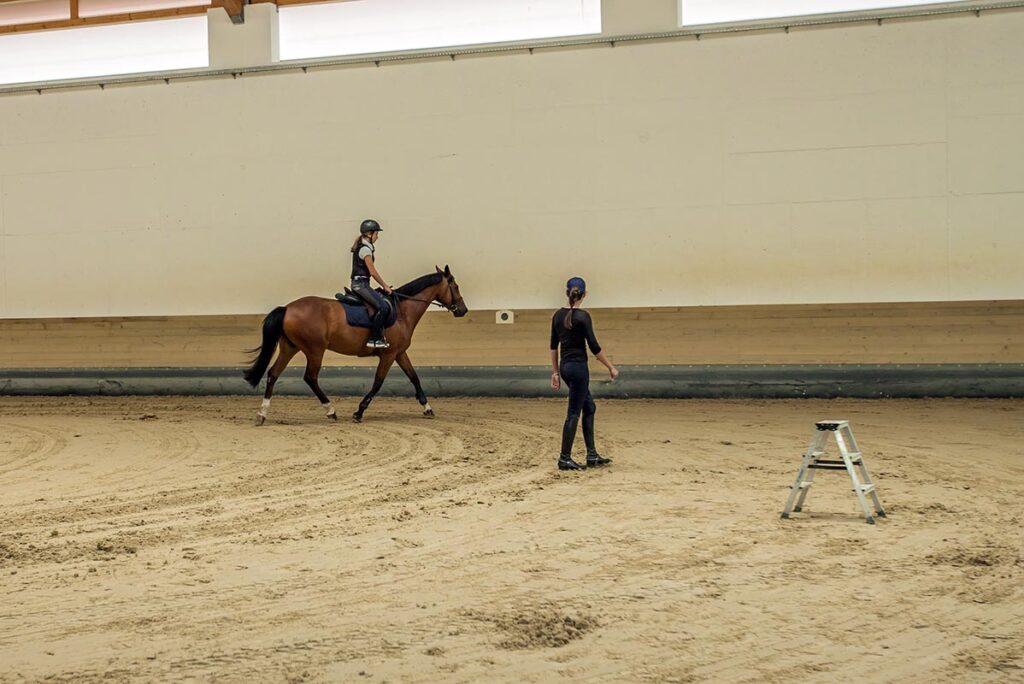
- Watch the seller ride first. This lets you see how the horse goes under his usual rider and confirms he’s sound and well-behaved before you get on.
- Start slow. Begin with walk and trot work in an enclosed area. Take your time getting a feel for the horse. Focus on communication—how well does the horse respond to your cues?
- Try what matters to you. If you plan to trail ride, ask to go outside. If you jump, pop over a small fence or two. You’re not testing the horse’s limits but whether he makes you feel comfortable and confident.
- Be honest with yourself. How do you feel? Safe? Challenged in a good way? Uneasy? Your gut is one of your best tools during a trial ride.
If there’s time, ask if you can cool the horse out after the ride. It’s both polite and a great way to spend a few quiet minutes getting to know him better. And thank anybody–seller, rider, groom–who handled him for you.
Buyer Etiquette: Do’s and Don’ts
Buying a horse is as much about building good relationships as it is about finding the right partner. Sellers appreciate respectful, transparent buyers, and a positive reputation can open doors to future opportunities.
DO:
- Arrive on time and well-prepared.
- Be polite to everyone, including barn staff.
- Handle the horse calmly and kindly.
- Ask thoughtful questions about the horse’s care, history, temperament, and quirks.
- Give honest feedback if you’re not interested. “He’s lovely but not quite the right fit for me” goes a long way.
- Thank everyone who helped with the trial, be it the seller, rider, or groom.
DON’T:
- Criticize the horse, tack, or facility.
- Overface the horse with tasks he’s not trained for.
- Take videos or photos without asking first.
- Bring a crowd—one or two helpers are plenty.
- Try to “fix” the horse or push it beyond what’s fair for a first ride.
Deciding What’s Next
After your ride, take some time to think it over. You might feel an instant connection, or you might sense that “something’s off.” Both reactions are valid.
If you’re interested in moving forward:
- Ask for a second ride if possible, especially if you want to see how the horse feels on a different day.
- Schedule a prepurchase exam (PPE) with an independent veterinarian to check for soundness or health issues and ensure the horse is physically capable of meeting your riding goals.
- Discuss terms clearly. Confirm price, tack inclusions, and any trial or return policies before exchanging money.
If you’ve decided the horse isn’t the right match, be gracious and prompt. Thank the seller for their time and effort, and let them know as soon as possible. You don’t need to overexplain your decision-making; a simple, polite note keeps the interaction positive.
Final Thoughts
Trying a horse can be both exciting and nerve-wracking, especially if it’s your first time. Go in with clear goals, open communication, and the help of an experienced horseperson or trainer. Remember, finding the right horse is about fit, not perfection. When you know, you’ll know, and that feeling of partnership is worth every bit of patience and preparation.
Related Reading:
- Where to Buy a Horse: A Beginner’s Guide
- How Do I Find the Right Horse?
- How Much Does It Cost to Buy a Horse?
Are you enjoying this content? Sign up for My New Horse’s FREE newsletter to get the latest horse owner info and fun facts delivered straight to your inbox!