
That’s a great question! Fortunately, horses are pretty good at handling cold weather. There are a few steps you can take, however, to ensure they’re comfortable. Plus, they might need a little extra help if the temperatures and elements get particularly extreme. Here’s what you need to know to keep your horse cozy all winter long.
Let That Winter Coat Do its Job
Your horse’s body is naturally equipped to handle cold weather. As days shorten in the fall, your horse grows a thicker winter coat that fluffs up to trap warm air close to the skin. Think of it kind of like a natural parka.
To encourage healthy hair coat growth, avoid frequent bathing going into fall and winter. This can strip away natural oils that help insulate the coat. Also resist the temptation to blanket your horse as soon as there’s a chill in the air. A healthy horse with a good winter coat and access to shelter often doesn’t need a blanket unless it’s very wet, windy, or bitterly cold.
If your horse is body-clipped, older, underweight, or doesn’t have much winter coat, that’s when blanketing can make a big difference.
Choose the Right Blanket
If your horse does need a blanket, fit and weight matter more than fancy features.
- Check the fit: A blanket that’s too tight will cause rubs. One that’s too loose can shift or let in cold air.
- Pick the right weight: Lightweight sheets are suitable for mild cold, while some horses need medium or heavyweight blankets for frigid temps.
- Keep it clean and dry: A damp blanket won’t keep your horse warm.
Don’t forget to remove your horse’s blanket regularly (ideally, daily) to check for skin issues or weight loss. This is especially important if your horse is turned out full-time.
Related Reading: The Ultimate Guide to Blanketing a Horse
Feed for Warmth
Did you know your horse generates heat just by digesting hay? Fiber fermentation in the hindgut is like an internal furnace. So, provide plenty of quality, free-choice hay to help your horse stay warm from the inside out. If your horse lives outside, you may need to increase his hay rations slightly and gradually in cold weather.
Dehydration is another hidden winter risk. Use heated buckets or water trough heaters, if needed, to make sure the water doesn’t freeze and remains at horses’ preferred drinking temperature of 45-65° F.
Related Reading: Winterizing Your Horse’s Feed Program
Provide Shelter From Wind and Wet
A horse can handle cold temperatures much better than cold and wet or windy conditions. And contrary to popular belief, your horse doesn’t need to be confined to a warm stall all winter. Just make sure his turnout area has some type of shelter that allows him to escape the elements while still moving freely. Even a simple three-sided run-in shed can make a huge difference in comfort. Remember to face these structures away from prevailing winds and to keep any bedding dry and clean.
Keep Them Moving
Just like people, horses stay warmer when they move around. Regular turnout encourages circulation and keeps muscles supple. Avoid long periods of standing in a stall unless necessary. Light exercise on cold days helps maintain fitness and warmth. Be sure to cool your horse down fully before turning him out again to prevent chills.
Don’t Forget Daily Checks
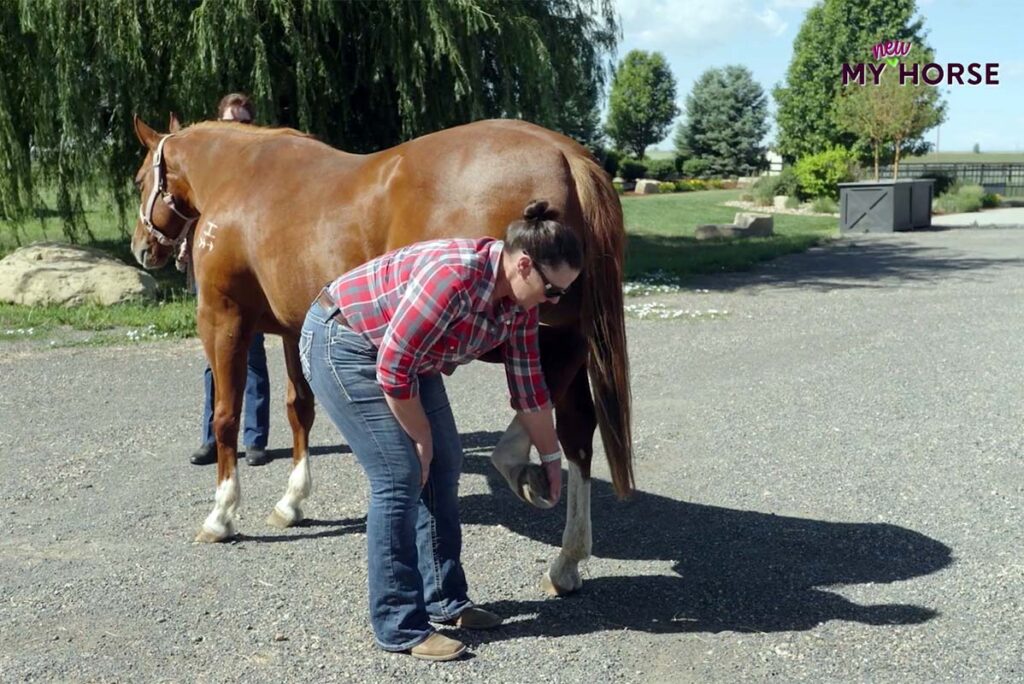
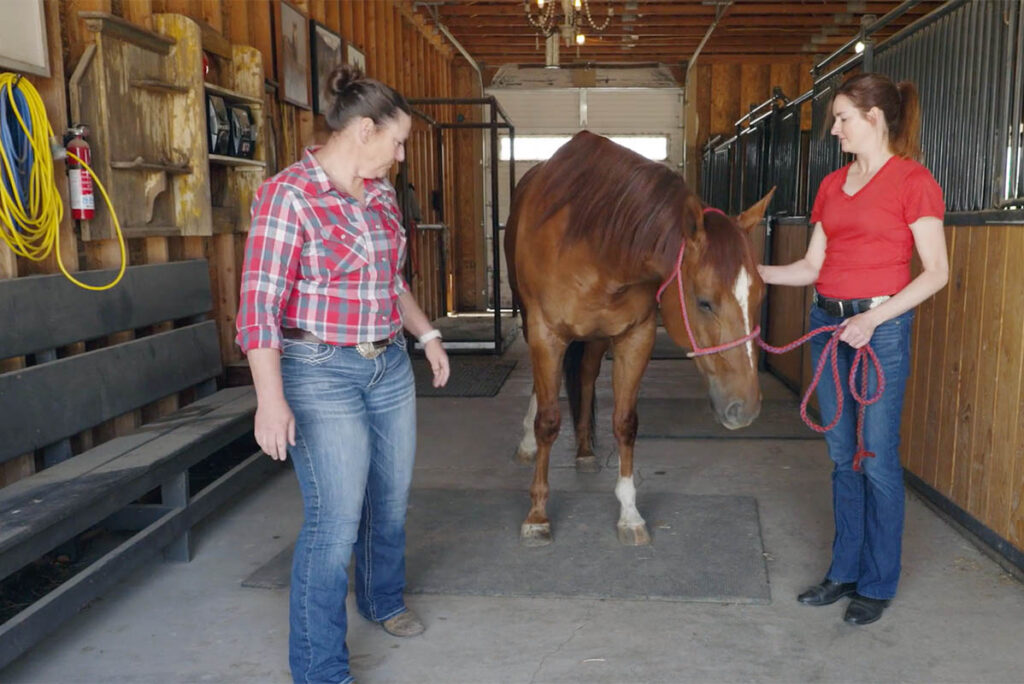
Winter can mask small problems, such as weight loss, blanket rubs, or frozen water buckets, until they become big ones. Do a hands-on check every day. Feel under that blanket, run your hand along the ribs, check hooves and legs, and make sure your horse is bright and alert.
Related Reading:
Are you enjoying this content? Sign up for My New Horse’s FREE newsletter to get the latest horse owner info and fun facts delivered straight to your inbox!