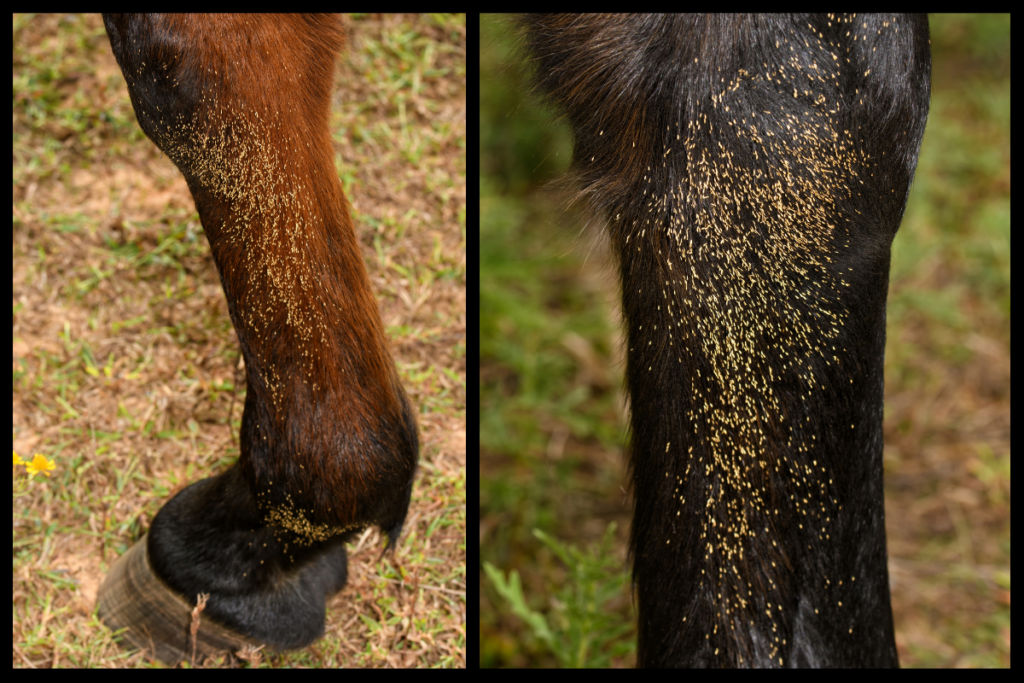
If you’ve ever watched your horse stomp, swish, and run from flies on a warm day, you already know fly season is no joke.
Fly sheets can be game changers for many horses, helping them stay comfortable, calm, and protected during peak insect season. But knowing when to use one, how to choose the right sheet, and how to keep your horse nice and cool can feel overwhelming. Here are the basics.
What Is a Fly Sheet?
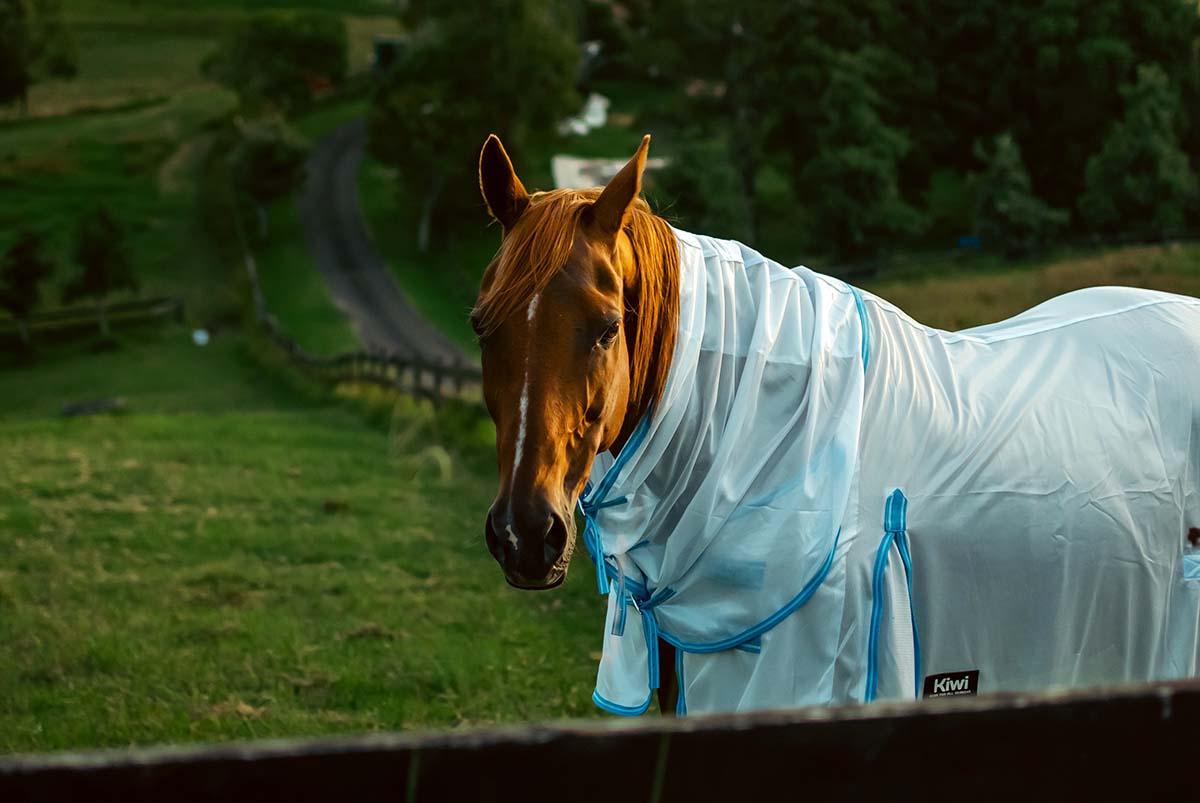
A fly sheet is a lightweight, breathable mesh blanket designed to protect your horse from flies, mosquitoes, and other biting insects. Unlike winter sheets and blankets, fly sheets are made to:
- Provide a physical barrier against insects.
- Allow airflow.
- In some cases, offer UV protection for sun-sensitive horses.
When Should You Use a Fly Sheet?
Fly sheets are most useful during spring, summer, and early fall, when insects are most active. You might want to use one if your horse:
- Is constantly irritated by flies (tail swishing, stomping, pacing).
- Has sensitive skin or allergies (like sweet itch).
- Develops bites, welts, or hair loss from insects.
- Is turned out during peak fly times (early morning and late afternoon/early evening).
- Has light-colored or sun-sensitive skin.
Not every horse needs a fly sheet, but for some, it makes a huge difference in comfort and health.
How to Choose the Right Fly Sheet
Not all fly sheets are created equal. Here’s what to look for in a quality sheet:
1. Breathability and airflow
Fly sheets are designed to allow air circulation, but mesh size matters. The finer the mesh, the better the insect protection but less airflow. Open mesh allows more airflow but less protection from tiny insects. Tip: If you live in a hot climate, prioritize airflow.
2. Proper fit
A well-fitting sheet won’t rub or cause sores, stays in place during turnout, and allows full range of movement. Look for helpful features such as shoulder gussets, adjustable straps, and belly bands or neck covers (some of which are detachable).
3. Coverage level
Fly sheets come in different styles. Some provide basic body coverage like normal sheets, while others have neck covers or belly bands for added protection (especially since many insects are attracted to a horse’s sensitive belly area). Sheets with more coverage, however, potentially retain more heat.
4. Durability
If your horse plays hard or lives in a herd, choose a tougher material (such as nylon) to avoid tears.
5. Bonus features
Today’s fly sheets often include high-tech features such as water-resistant and/or UV-protective coatings and built-in insect repellent. Some also include striped patterns because research suggests zebra striping might reduce fly attraction.
Brand, material, and special features will dictate how much a fly sheet costs. Most range from $70-$150, though you can find basic options for less and premium sheets for far more.
Will a Fly Sheet Make My Horse Too Hot?
This is one of the most common concerns. The good news: Fly sheets are made from lightweight, breathable materials that allow airflow. They can even reduce heat stress indirectly by preventing horses from running and stomping to escape flies. That being said, any extra layer can increase warmth, and in hot, humid conditions, some horses might sweat underneath.
To prevent overheating and keep your horse cool while wearing a fly sheet:
- Make sure your horse has access to an area of shade at all times.
- Ensure constant access to clean, fresh water.
- Use fly sheets in areas with good ventilation or a breeze.
- Avoid using during extreme heat and humidity.
Check your horse daily for sweating under the sheet, lethargy, or an elevated temperature. For an adult horse, normal rectal temperature using a digital thermometer should be 99-101°F. If your horse seems uncomfortable, remove the sheet.
Related Reading: How To Take Horse Vital Signs and What They Mean
Practical Tips for Fly Sheet Use
Start simple. If your horse hasn’t worn a fly sheet before, begin with a basic, lightweight sheet and see how he responds.
Combine with other fly control. Sheets are part of a well-rounded fly-control program and work best alongside manure management, fly sprays, fans, and/or fly predators.
Check for rubbing. Inspect common problem areas such as the horse’s shoulders, withers, and chest. A poor fit can cause irritation over time.
Don’t leave it on 24/7 without monitoring. Even well-fitted sheets need daily removal to check your horse’s skin and give him a break from being covered. Sheets also need regular cleaning (wash with gentle cleansers and allow to air dry).
Remember: Not all horses need fly sheets. If your horse doesn’t seem excessively bothered by flies, skip it. Comfort should guide your decision.
Take-Home Message
Fly sheets can help improve your horse’s comfort and well-being during fly season. Choose the right one for your region and needs, monitor your horse closely, and use it as part of a broader fly control plan.
Related Reading:
Are you enjoying this content? Sign up for My New Horse’s FREE newsletter to get the latest horse owner info and fun facts delivered straight to your inbox!